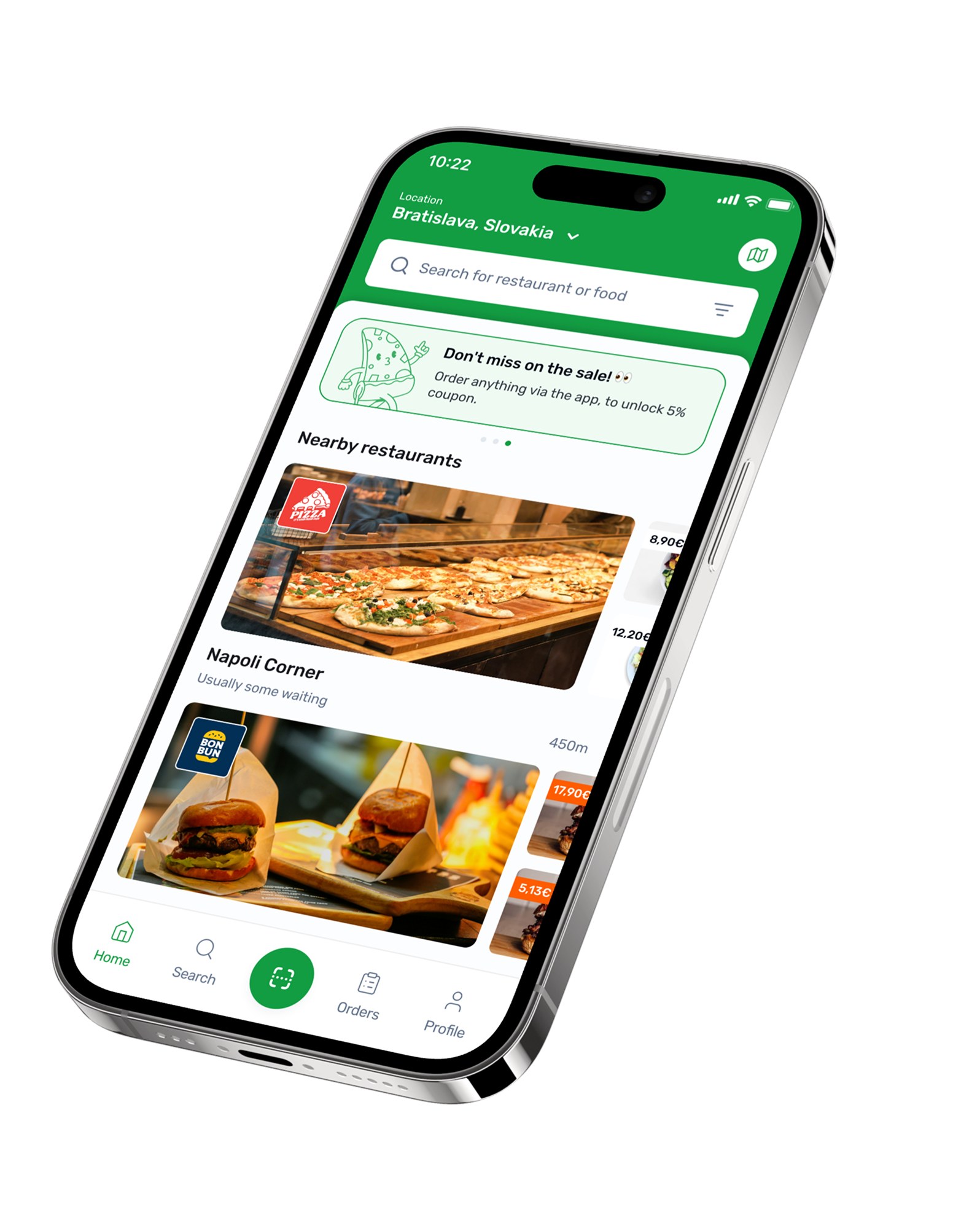
How Restaurant Can Offer Their Food in Nearby Bars
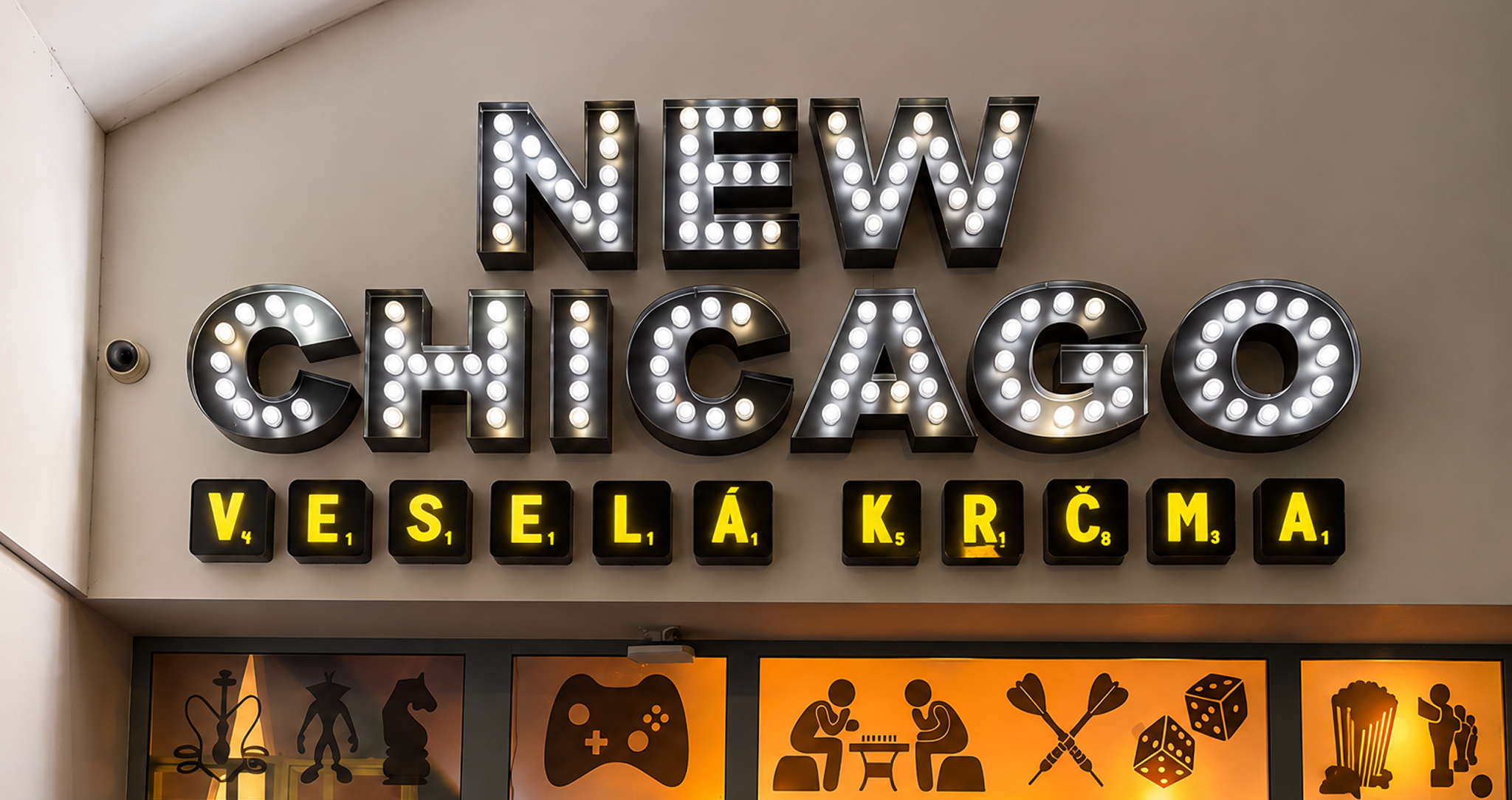
Eatster helped connect Tasty Park’s kitchen with New Chicago bar, allowing guests to order food directly to their table via QR code.

You order a drink. An hour later, you feel like having something to eat. But the bar you are sitting in does not have its own kitchen.
This is exactly the situation New Chicago wanted to solve. Its guests were interested in ordering food during the evening, but building a full kitchen would have meant new space, equipment, staff, and food storage.
The solution was close by. Literally. Nearby, Tasty Park already had its own kitchen, menu, and preparation capacity.
So how could Tasty Park get its food to the tables at New Chicago without phone calls, another cash register, or unnecessary extra steps? We talked about it with Dávid Bušša, founder of Tasty Park.
.jpeg)
When One Business Has Guests and the Other Has a Kitchen
The idea of connecting the two businesses did not come from looking for another piece of technology. It started with a simple customer need.
“New Chicago is a bar without its own kitchen, but its guests naturally want food during the evening. On our side, we already had our kitchen nearby,” explains David.
Each business already had an important part of the puzzle. New Chicago had the space, guests, and service staff. Tasty Park had the kitchen, the food, and the team to prepare it.
They just needed a practical way to connect the two.
“We were looking for a way to connect these two concepts so that it would be convenient for the customer and as simple as possible for both businesses.”
What Happens After Scanning the QR Code?
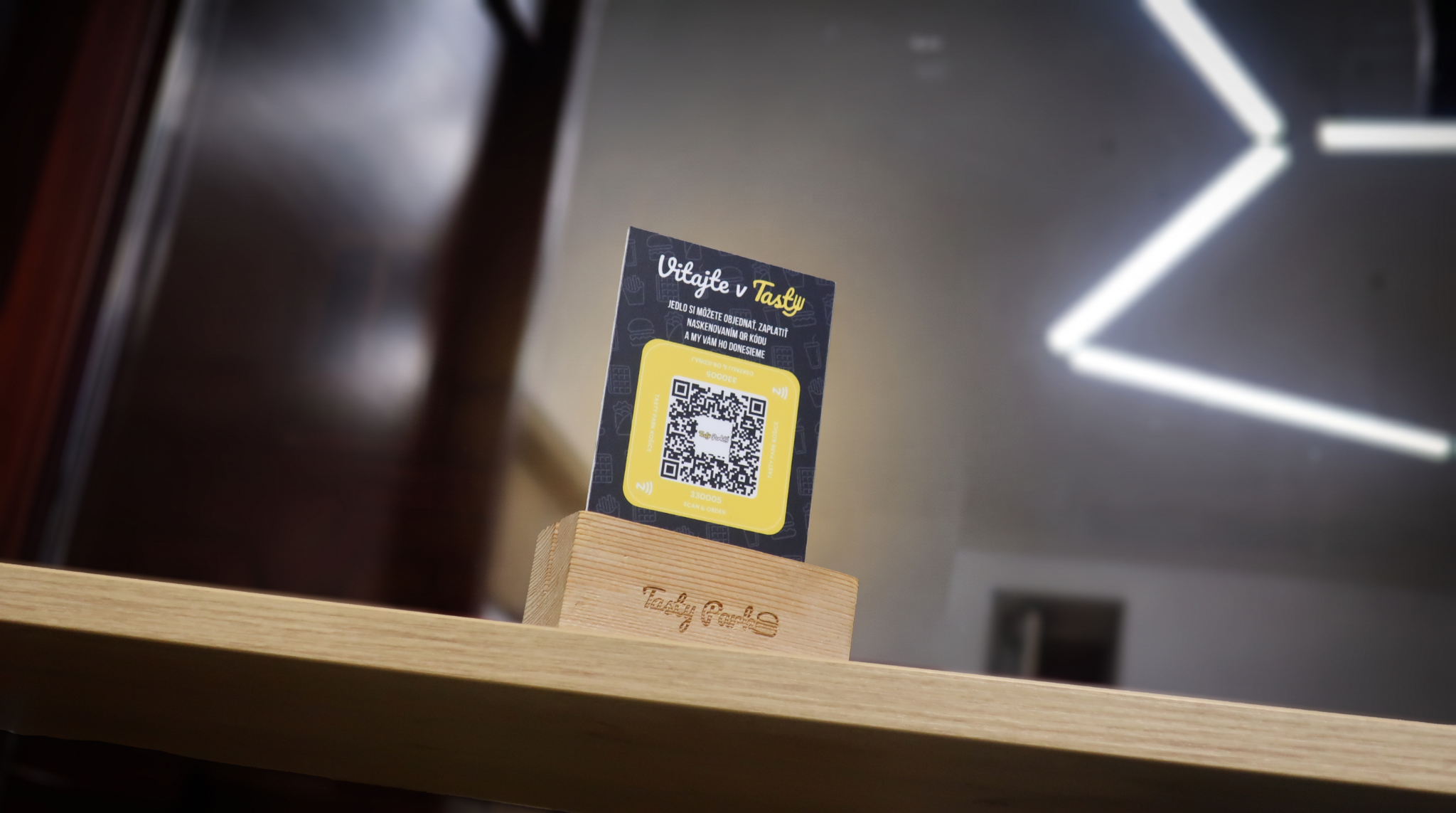
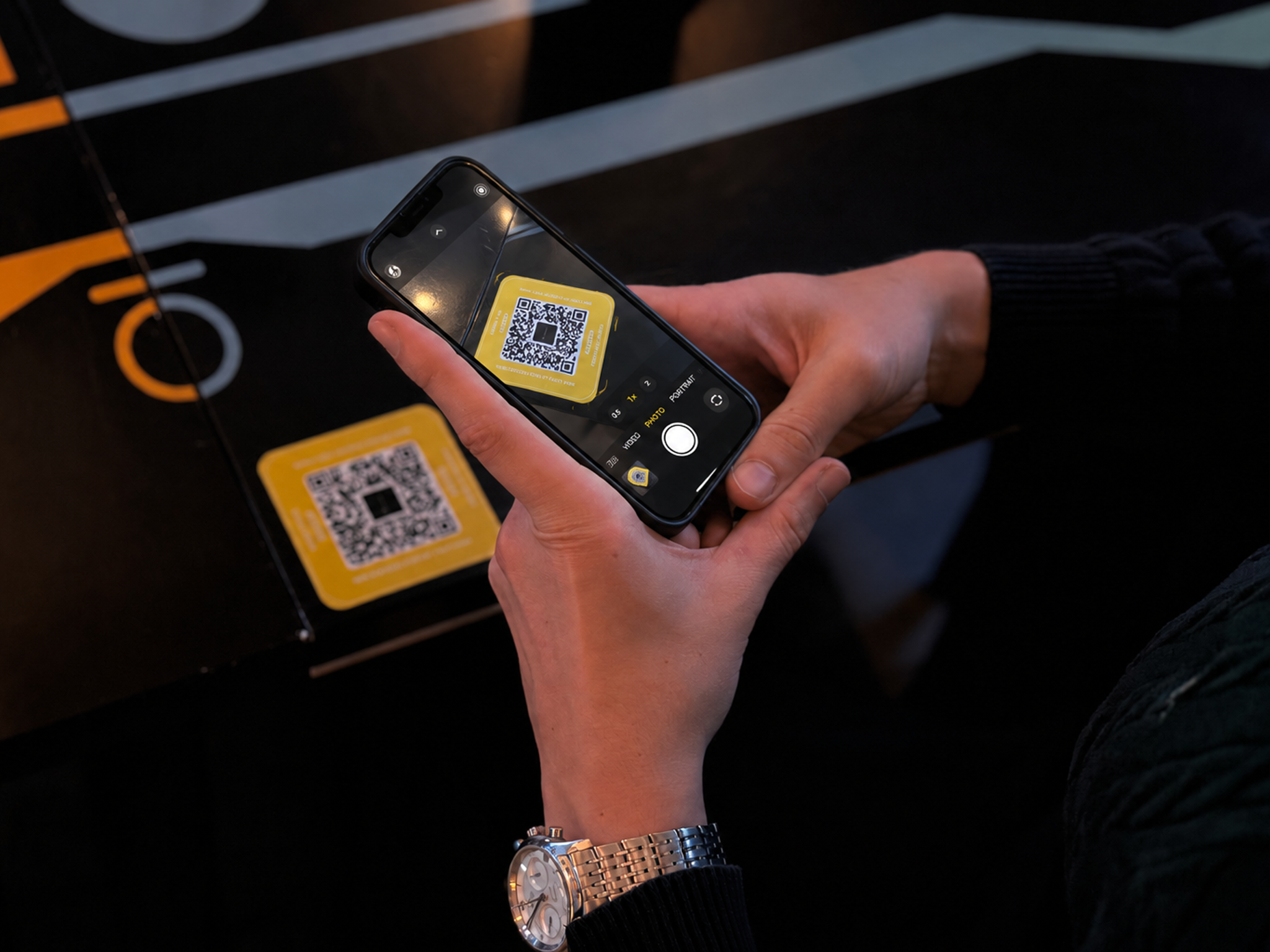
A guest sits down at a table in New Chicago and scans a QR code. The Tasty Park menu opens on their phone. They choose their food and pay for it online right away.
The order is automatically sent to the Tasty Park kitchen. The team prepares it, delivers it to New Chicago, and the bar staff brings it to the customer’s table.
The whole process is designed so the customer receives their food in around 20 minutes.
“From the customer’s point of view, it feels almost the same as if New Chicago had its own kitchen. They do not have to go anywhere, order through the staff, or make a separate payment for food,” says David.
The guest does not need to know what happens in the background. They do not care exactly where the order appears or who takes it over between the two businesses. They simply want to order and get food delivered to their table. The less they have to think about the process, the better the model works.
Tasty Park also uses Eatster in its own restaurant. You can read more about how a self-service kiosk helps its daily operations in the article TASTY PARK Digital.
What Do Both Businesses Gain?
New Chicago can offer food to its guests without building its own kitchen. Tasty Park gains orders from a place where it does not have its own branch. It uses the kitchen, products, and preparation capacity it already has.
“New Chicago has customers, space, and service staff. We have the kitchen, products, and preparation capacity. Eatster connects these two sides technologically,” says David.
So it is not just about a QR code on the table. It is a collaboration where each business brings what it does best.
What Would David Recommend to Others?
At first glance, the whole model may look simple. One business receives the order, the other prepares it. But between those two points, many practical details need to be agreed on.
“The most important thing, in our view, is to set up the collaboration so that it is as simple as possible for the customer. The customer should not have to think about which business prepares the food, who to call, who to pay, or where the order is coming from,” says David.
The distance between the two businesses, preparation time, food handover, and a clear split of responsibilities are just as important.
“Technology can automate a large part of the process, but the operational setup has to work just as well.”
And that is the foundation of the whole model. The guest sees a few clicks on their phone and food arriving at the table. Everything else needs to be clearly agreed between the people on both sides.
We helped them
we can help you too!


.jpg)
Order ahead and
save time!
Discover great places around you, scan QR codes from tables and hotel rooms, collect loyalty points and much more..